Beginning in 2027, maternity care will undergo its most significant payment transformation in decades as the longstanding global maternity payment (a one-time claim submitted by the OB/Gyn or midwife for all care at six weeks postpartum) will be replaced with claims for each visit.
As we have previously explained, unbundling presents a once-in-a-lifetime opportunity to improve how maternity care is measured, financed, and delivered.
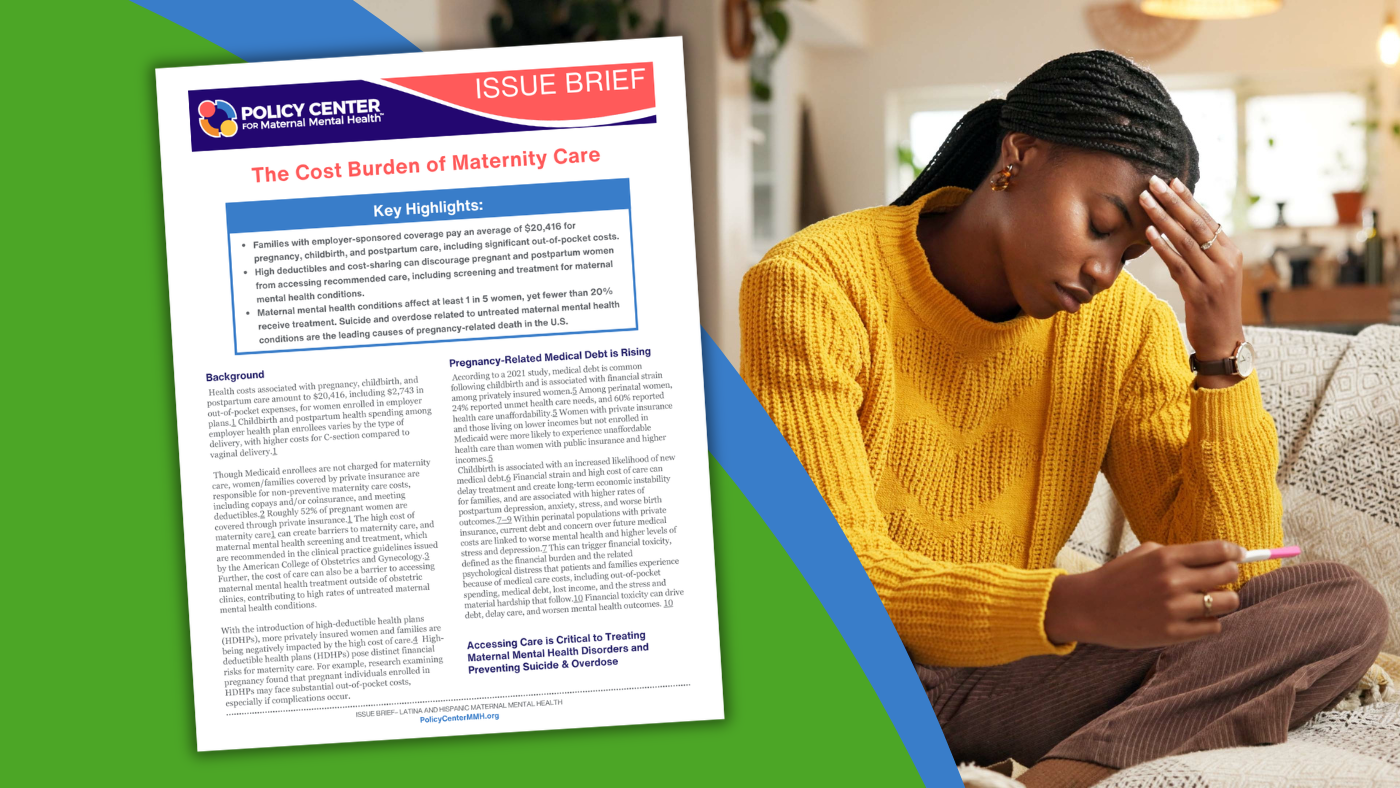
Unbundling of provider payments is also prompting policymakers and payers to step back and consider how much patients are being asked to pay for maternity care. This should be the case, given that insurers will need to set up claim systems to ensure no cost-sharing is applied to prenatal care, even if the patient has a diagnosis in addition to pregnancy (for depression, for example) and receives treatment for that diagnosis during routine prenatal visits.
It is critical that Congress take action to address this looming challenge, and a bill conceived by then-Senators JD Vance (R-OH) and Tim Kaine (D-VA) years ago was intended to address the already rising cost of maternity care due to the proliferation of high-deductible health insurance plans.
In 2025, the bipartisan Supporting Healthy Moms and Babies Act, also known as the “Make Birth Free Act” was reintroduced in both the House and Senate to eliminate all cost-sharing for maternity care. Congress has the power to pass this critical legislation this year.
Unbundling and the affordability of maternity care are closely connected, and together they offer an opportunity to dramatically improve prenatal and postpartum care while making pregnancy and childbirth more affordable.