Reports
-
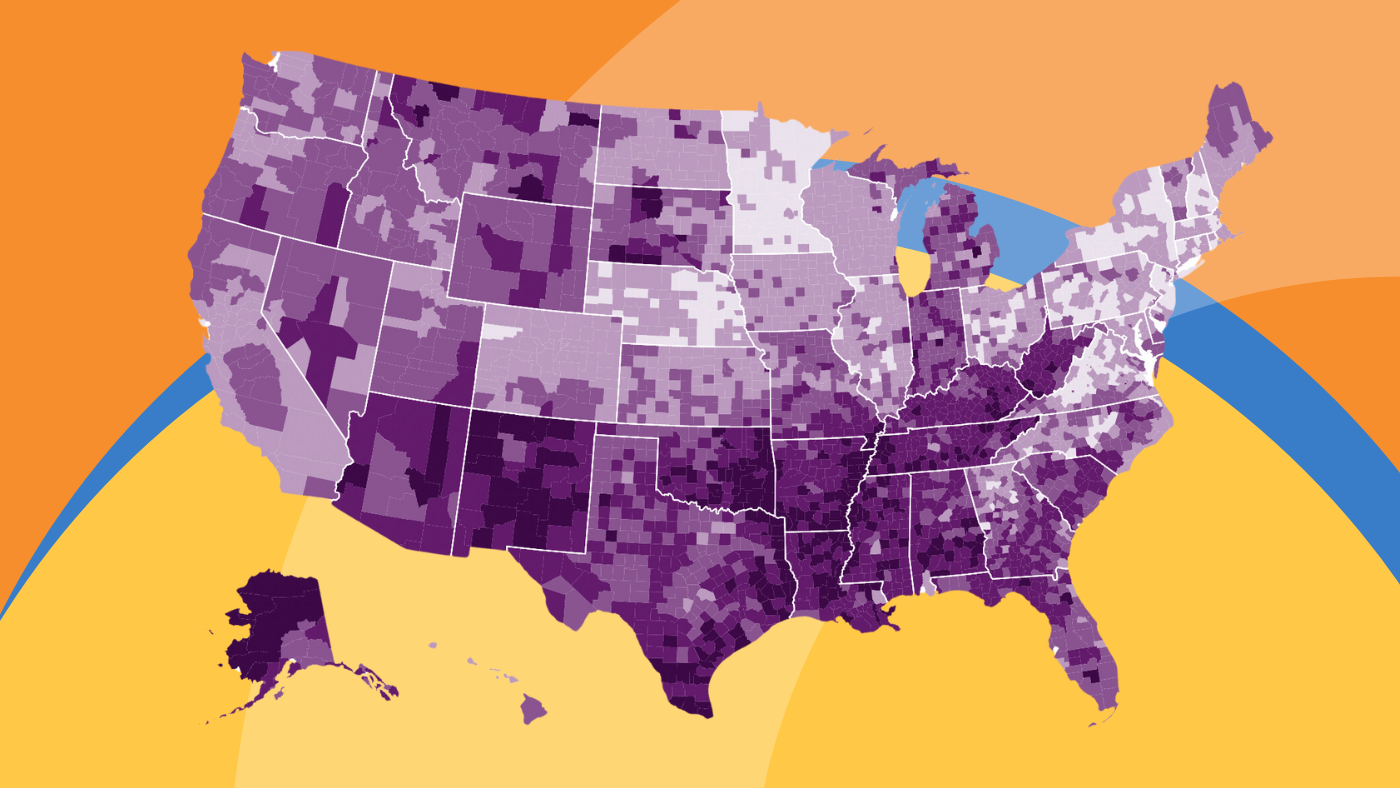
2023 Maternal Mental Health Provider Shortages & Population Risk Report
The report illustrates where, in the U.S., mothers are at the greatest risk for suffering from maternal mental health disorders and where the greatest need for providers are. An estimated 62 million birthing-age, American women, or 96% of the potential perinatal population live in maternal mental health professional shortage areas. 13,885 providers are needed across…
-
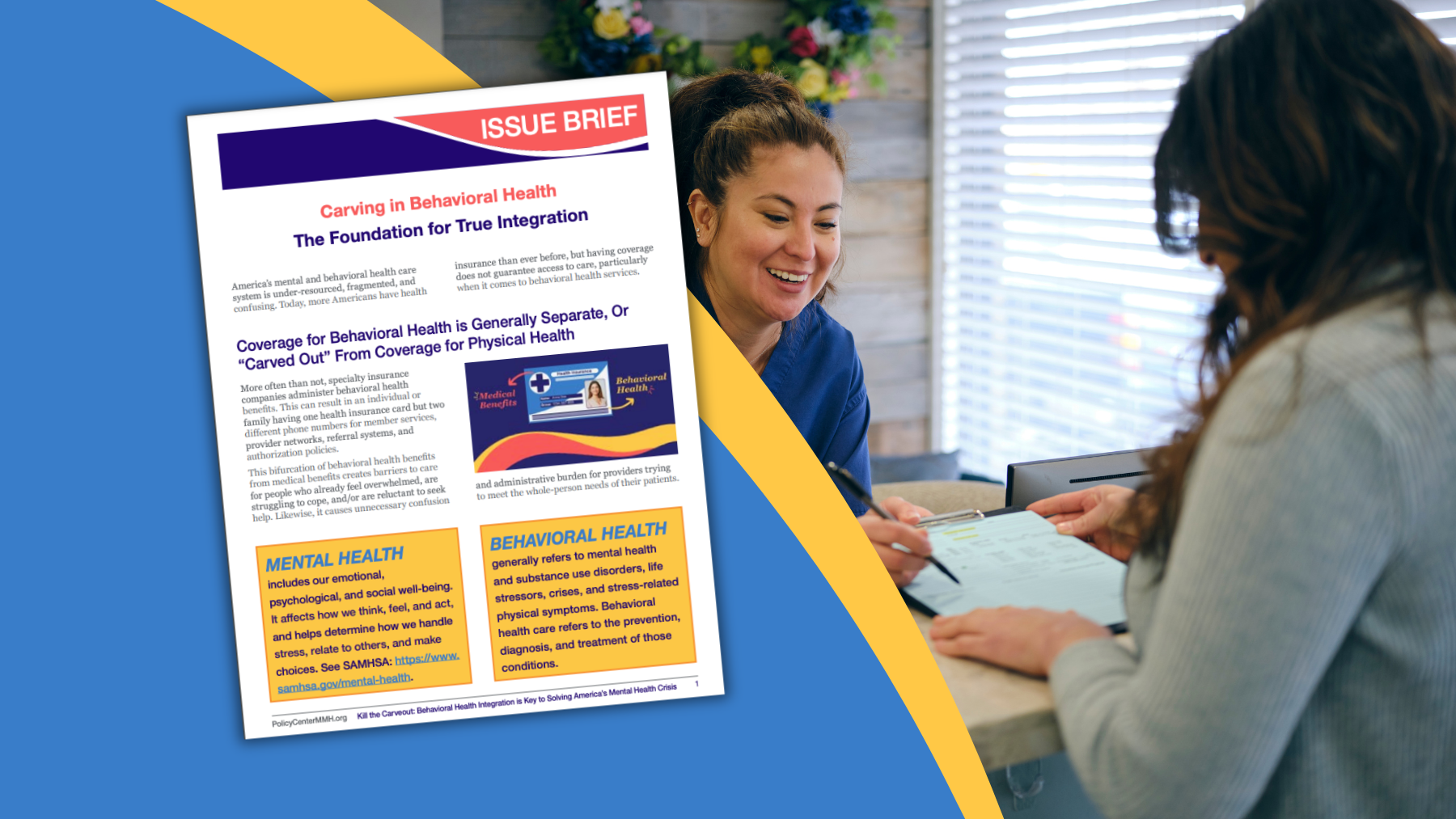
Carving in Behavioral Health: The Foundation for True Integration
America’s behavioral health care system is fragmented, underfunded, and difficult to navigate. While more Americans than ever have health insurance, many still struggle to access mental health services due to insurance “carveouts” that separate behavioral health benefits from medical coverage. This confusing system creates barriers for patients and adds administrative burdens for providers. Integrating behavioral…
-
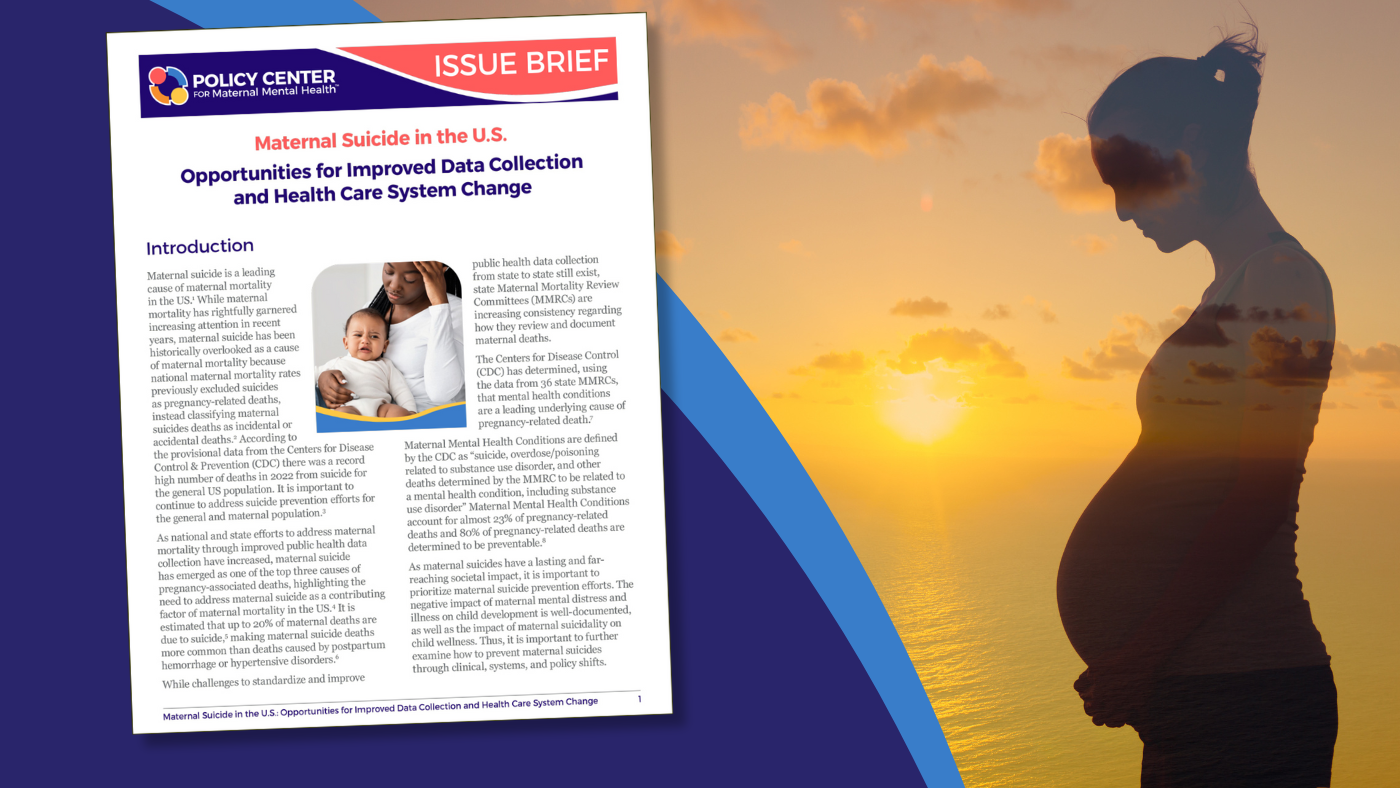
Maternal Suicide in the U.S. Issue Brief
Maternal suicide is a tragedy that has rippling societal consequences as well as a lasting impact on families and communities. As public health systems shift to prioritize maternal suicide prevention efforts, research into causes and interventions for maternal suicidality must also be expanded.
-
Childcare Access: An Important Link to Maternal Mental Health
A good support system is vital during the postpartum period and has been shown to decrease the risk for maternal mental health disorders and increase general maternal wellness.

-
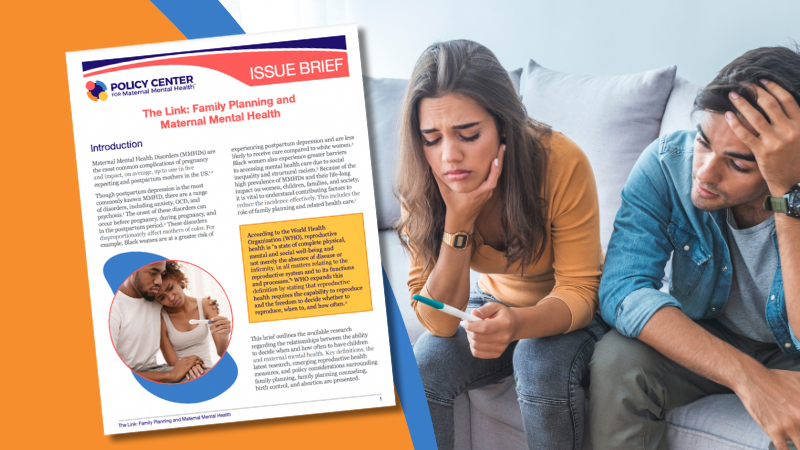
The Link: Family Planning and Maternal Mental Health
Introduction Maternal Mental Health Disorders (MMHDs) are the most common complications of pregnancy and impact, on average, up to one
-
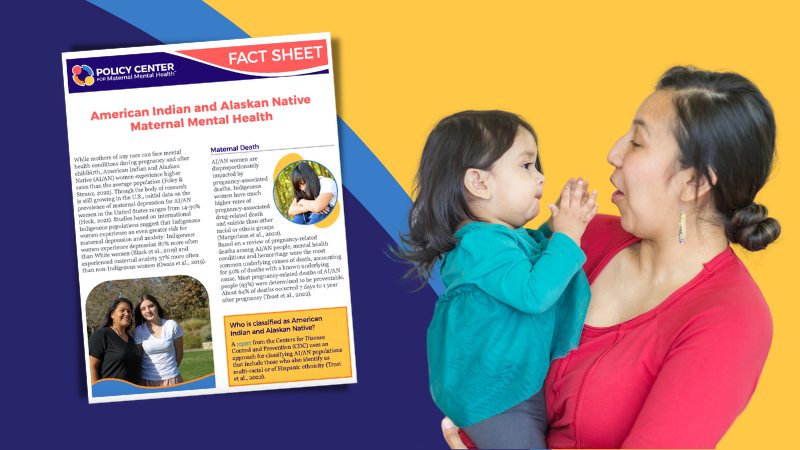
American Indian and Alaskan Native Maternal Mental Health
While mothers of any race can face mental health conditions during pregnancy and after childbirth, American Indian and Alaskan Native
-
U.S. Maternal Depression Screening Rates Released for the First Time Through HEDIS
The first set of U.S. maternal depression screening data is now available – through HEDIS. Not surprisingly, screening in both pregnancy and the postpartum period was reported at less than 20%.