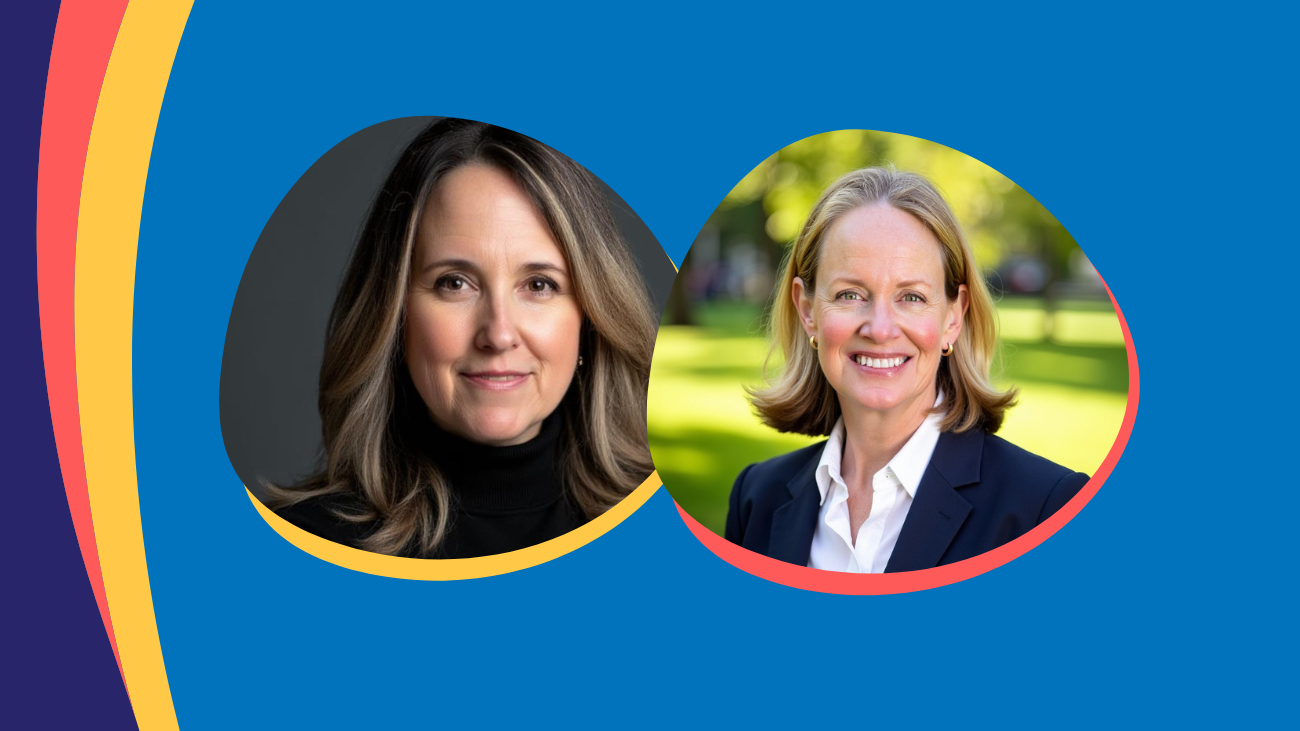
Interviewer: Joy Burkhard, CEO, Policy Center for Maternal Mental Health
Interviewee: Carole Mendoza, VP, Global Benefits & Employee Mobility, HP Inc., and Policy Center Board Member
Joy Burkhard: Tell us more about your role at HP.
Carole Mendoza:
I am responsible for the design and delivery of HP’s employee benefits globally. This includes setting plan design, negotiating with and managing vendors, and complying with local laws globally.
Joy Burkhard: How are employers of your size involved in designing health benefits for your employees? How much control do you have?
Carole Mendoza:
Employers of our size have control over the benefits options available to employees and how much they pay in premiums, copays, deductibles, etc. We have less (and sometimes limited) control over the cost of services and treatments and of the quality of services provided.
Joy Burkhard: How about provider payment, networks, etc.? How much influence do you have, and in what ways, if any?
Carole Mendoza:
Generally, employers have limited control over how much providers are paid for services and which providers are considered in-network vs. out-of-network. Those decisions are driven by the medical carrier/third-party administrator (TPA) — like Aetna, Cigna, UnitedHealthcare, or the Blues.
Joy Burkhard: How does this differ for other employer purchasers of companies of different sizes?
Carole Mendoza:
The largest employers can contract directly with provider groups and hospital systems, but the time and resources needed to do that are usually beyond what a typical employer can manage.
Joy Burkhard: What do you wish you could change about healthcare?
Carole Mendoza:
Transparency of cost and quality. Alignment among various stakeholders. A drive toward quality outcomes instead of (or in addition to) a profit motive. A focus on the needs of underprivileged communities.
Joy Burkhard: And what about mental health and maternal health care?
Carole Mendoza:
It comes as no surprise that access to quality, in-network mental health coverage is very difficult. Networks are very limited. Patients seeking mental health services are at their most vulnerable, yet when members try to seek out care, they’re often caught in a maze of providers who are no longer taking new patients or have no appointment availability. Many mental health patients fall through the cracks and no longer seek necessary care.
Maternal health care for many is better, at least during pregnancy. There are certainly disparities in underprivileged communities. Care after delivery is more of a challenge. Once the baby is born, many moms aren’t seen for six weeks post-delivery. There are missed opportunities to support new moms in those first weeks, especially in the area of mental health.