Reports
-
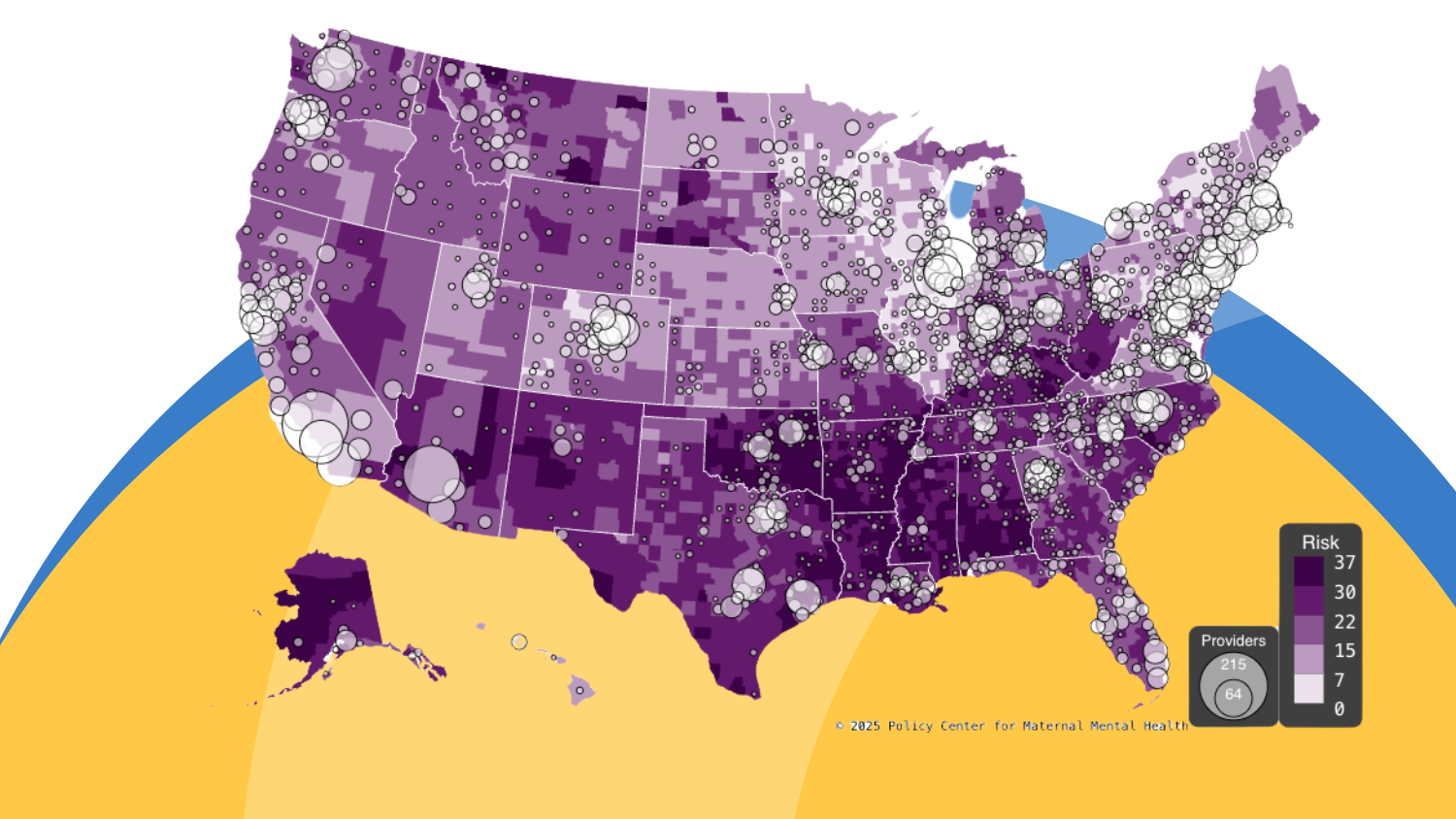
2025 U.S. Maternal Mental Health Risk and Resources by County
This 2025 report updates the first-ever U.S. county-level analysis of maternal mental health (MMH) risk and resources. Despite provider growth since 2023, most high-risk areas still lack adequate support—revealing urgent, widening gaps in care.
-
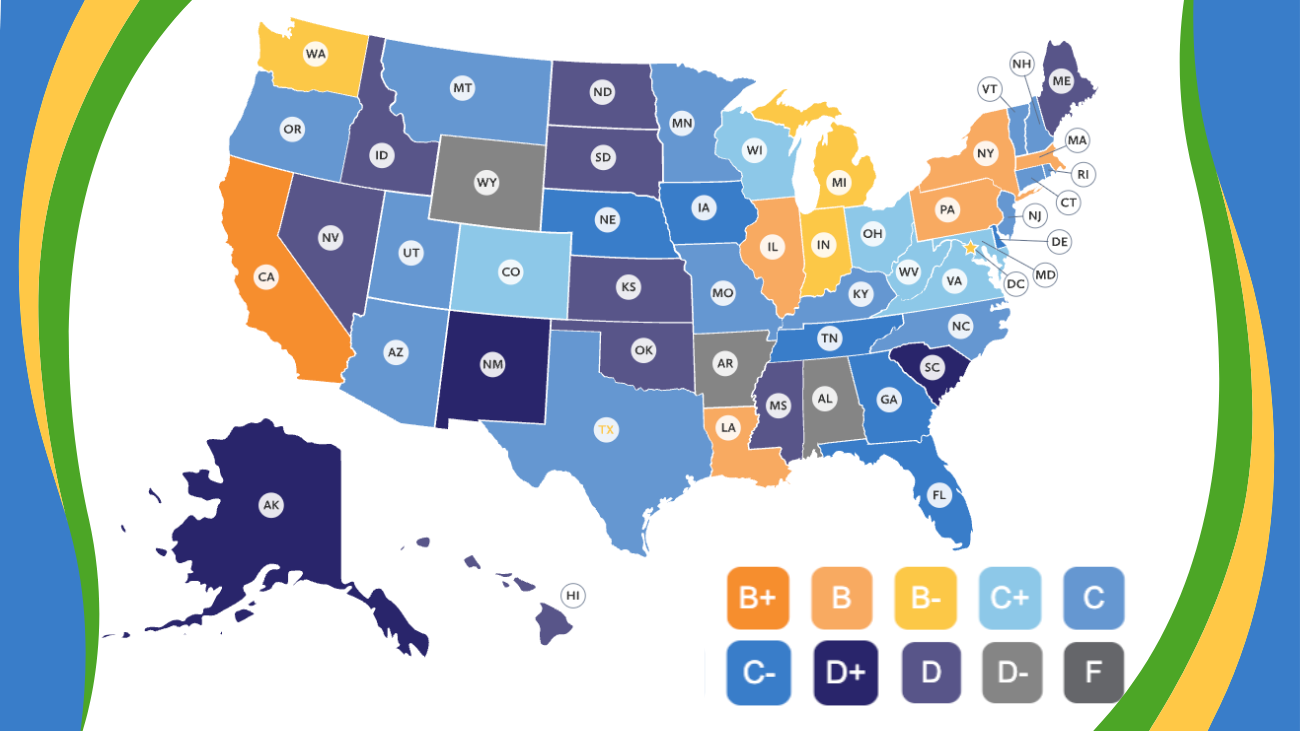
2026 Maternal Mental Health State Report Cards
The 2026 report cards highlight progress, areas of opportunity, and measures that continue to serve as a roadmap for states to improve maternal mental health.
-
The Role of Medicaid in Advancing Obstetric Provider Maternal Mental Health Screening and Treatment – Update
Untreated maternal mental health (MMH) disorders are a leading cause of preterm birth and maternal mortality, making obstetric providers essential to early intervention. In 2023, the American College of Obstetricians and Gynecologists (ACOG) released guidelines for MMH screening, diagnosis, and treatment. With 40% of births covered by Medicaid — and most enrollees in Managed Care…

-
Preterm Birth and Maternal Mental Health: An Urgent Call to Action to Improve Detection and Treatment in Pregnancy
This brief discusses current research on MMH disorders and preterm birth, as well as policy implications and recommendations for preventing and addressing these adverse maternal-child outcomes by moving upstream to diagnose, support, and treat early in pregnancy.

-
Fact Sheet: Maternal Mental Health
Maternal Mental Health disorders, like postpartum depression, are the leading complication of childbirth, impacting 1 in 5 U.S. women.1 It’s not just depression; there are a range of maternal mental health (MMH) disorders, which also include, anxiety, obsessive-compulsive disorder (OCD), bipolar disorder, and psychosis.

-
Artificial Intelligence and Maternal Mental Health
This fact sheet explores how artificial intelligence (AI) is being applied across healthcare and mental health, with a focus on emerging uses in maternal mental health. It highlights current research, potential benefits for screening and risk prediction, and key limitations related to validation, bias, and clinical readiness. As AI adoption accelerates, understanding both its promise…

-
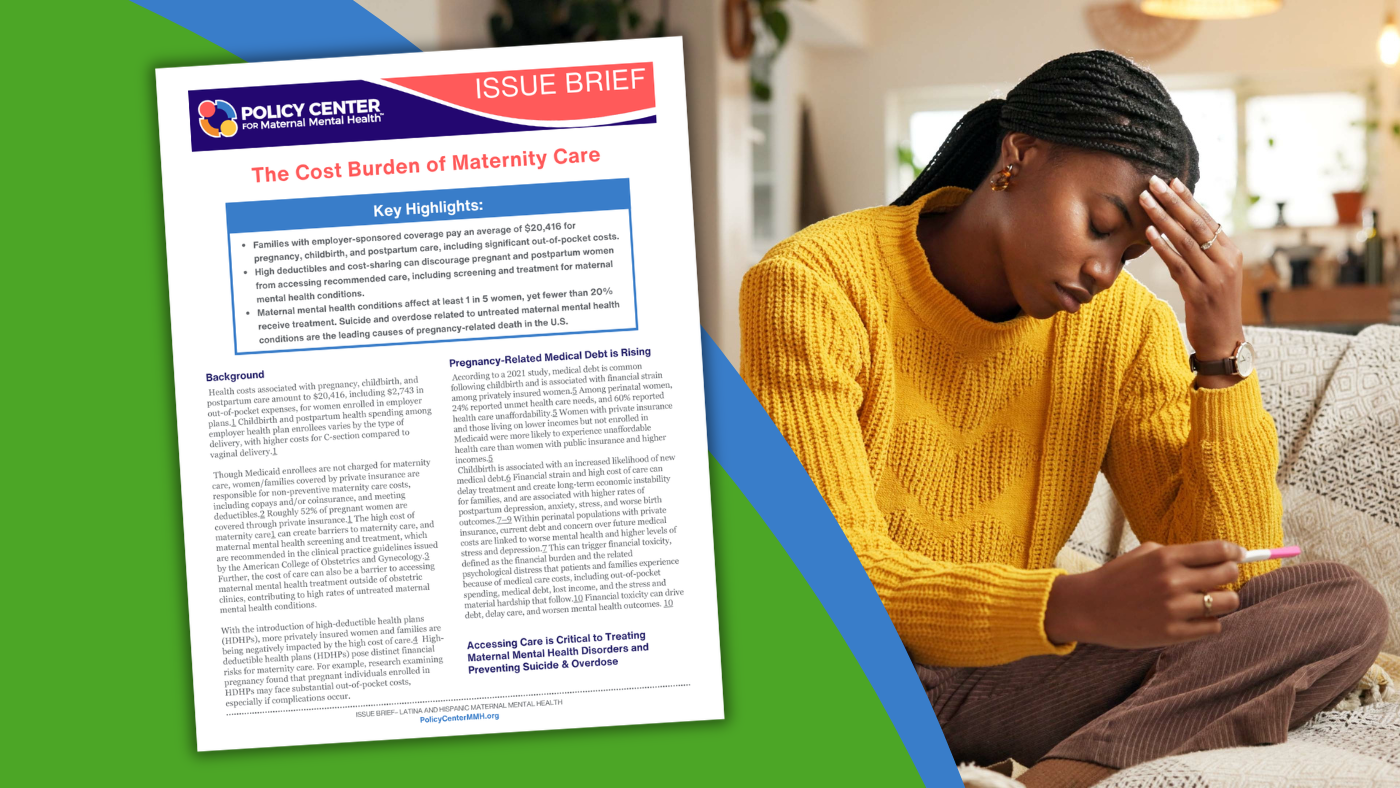
The Cost Burden of Maternity Care
This brief explores how the high cost of maternity care and increasing use of high-deductible health plans create barriers to maternal and maternal mental health care, contribute to medical debt following childbirth, and highlight the need for policies that eliminate cost-sharing for perinatal care.
-
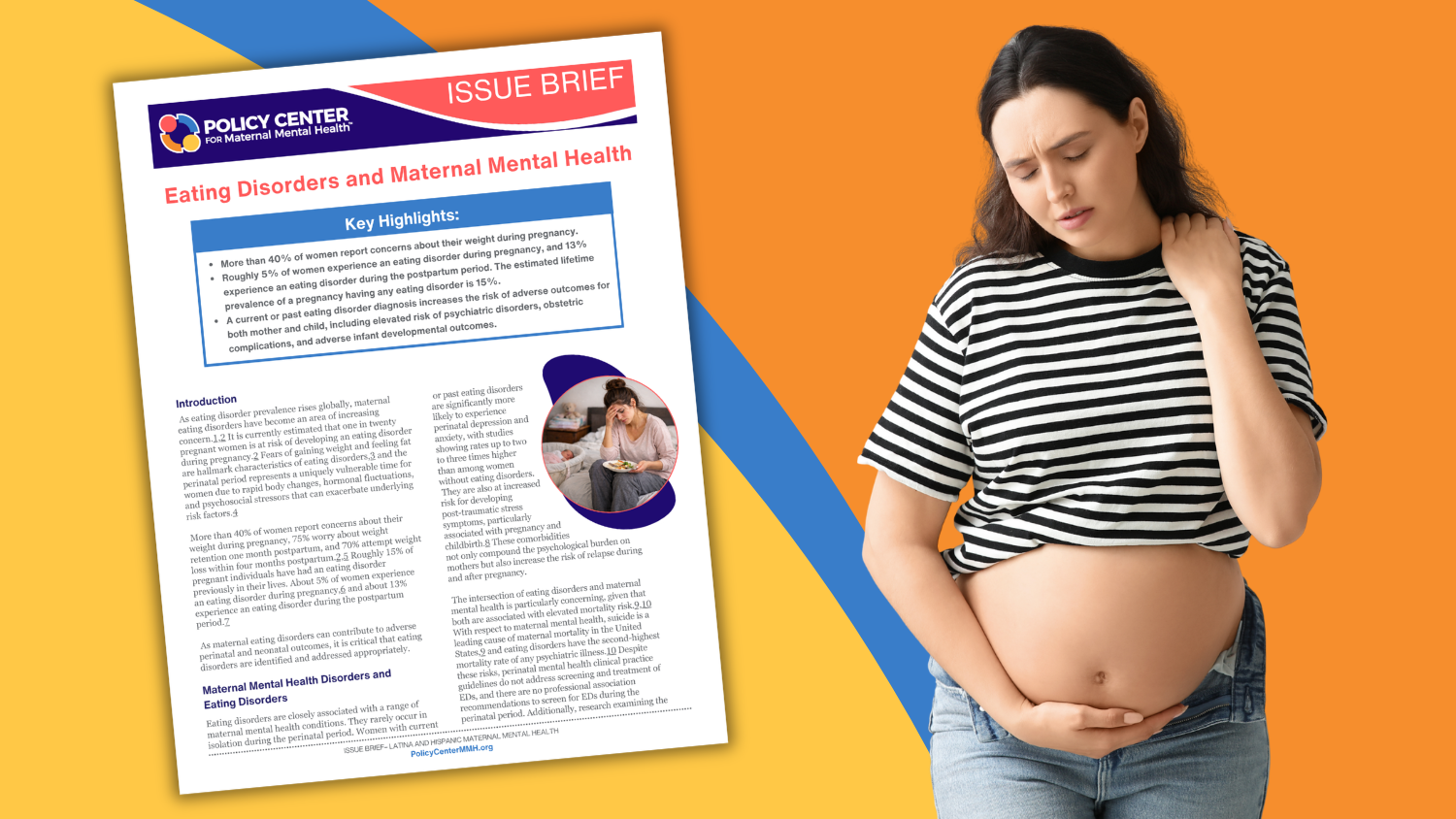
Eating Disorders and Maternal Mental Health
Eating disorders are an underrecognized but serious threat to maternal mental health. This brief explores how common eating disorders are during pregnancy and postpartum, their strong link to depression, anxiety, and suicidality, and the risks they pose to both mothers and infants. It also highlights critical gaps in screening, treatment access, and policy—offering community and…
-
Obstetric Provider Billing Rates by Private Insurers for Maternal Mental Health Screening and Treatment
An analysis of claims data shows persistently low billing rates by Obstetric providers for maternal mental health (MMH) screening, evaluation, and treatment — highlighting the need for insurers to publish MMH fee-for-service billing codes for Obstetric providers and provide adequate reimbursement.